How Global Racing Trends Influence Kentucky Derby Contenders Each Year
The Kentucky Derby has long been viewed as a distinctly American test, yet its evolution tells a broader story. Modern contenders are shaped not only by domestic prep races but also by international bloodlines, training philosophies, and racing patterns that stretch across Europe and beyond.
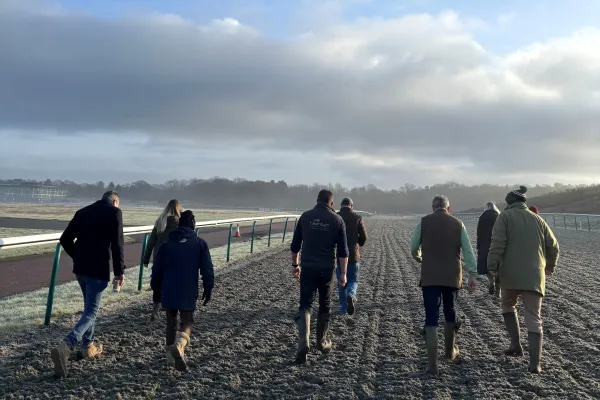
If it seems light years removed from racing around Stratford, then think again. Whilst we may not share runners between our two courses, we're closer than you might think, and the global appeal of events like the Derby reflects in wider interest in local venues like ours.
For racing followers in the UK and Ireland, this shift feels familiar, reflecting a sport that has become increasingly interconnected. In this blog, we will look at how global racing trends influence the development of Derby hopefuls, from breeding and training to international form, and what this means for the changing profile of the Kentucky Derby.
The globalisation of Thoroughbred racing
Thoroughbred racing has undergone a quiet but significant transformation over the past two decades. What was once a largely regional sport has become increasingly global, driven by international ownership groups, cross-border breeding programmes, and the movement of elite bloodstock between continents. Horses are now bred with a global market in mind, and major operations often maintain stables in multiple countries.
This interconnected structure has reshaped how races like the Kentucky Derby are approached. Owners and breeders are no longer limited to local bloodlines or traditional training approaches. Instead, they can tap into a broader mix of genetic and preparation influences, blending the speed often linked with American racing with the stamina and durability commonly associated with European lines. For knowledgeable racing followers, this shift has made the Derby more competitive and less predictable, as contenders arrive with increasingly diverse profiles.
How international form shapes Derby fields
The influence of international racing is most visible in how form is evaluated and translated into Derby readiness. While the traditional U.S. prep races remain central, there is growing recognition that performances outside these pathways can offer valuable insight into a horse’s potential. European turf form, for instance, often highlights stamina and finishing strength, qualities that can prove decisive over the Derby’s demanding distance.
These global pathways now play a direct role in identifying leading Kentucky Derby contenders, as connections increasingly look beyond conventional routes. Horses with international pedigrees or exposure to varied racing conditions may develop differently, showing adaptability that becomes an advantage in a large and competitive field. For followers accustomed to European racing, this blending of form lines provides a more familiar lens through which to assess Derby runners, where versatility and progression matter as much as raw speed.
Breeding trends and the influence of European bloodlines
Breeding remains one of the most powerful forces shaping the Derby, and here the international influence is especially clear. American racing has traditionally focused on speed, developing horses built for quick acceleration over shorter distances. However, the Derby’s mile-and-a-quarter distance demands a balance of speed and stamina, prompting breeders to incorporate European lines known for their endurance.
The introduction of these bloodlines has gradually altered the profile of Derby horses. Progeny of sires with European success often display stronger finishing ability and the capacity to maintain pace over longer distances. This has become increasingly valuable in modern Derby fields, where early speed alone is rarely enough to secure victory. For racing enthusiasts in the UK and Ireland, this trend reflects familiar breeding priorities, where stamina is a defining attribute rather than an afterthought.
The role of surface and racing conditions across regions
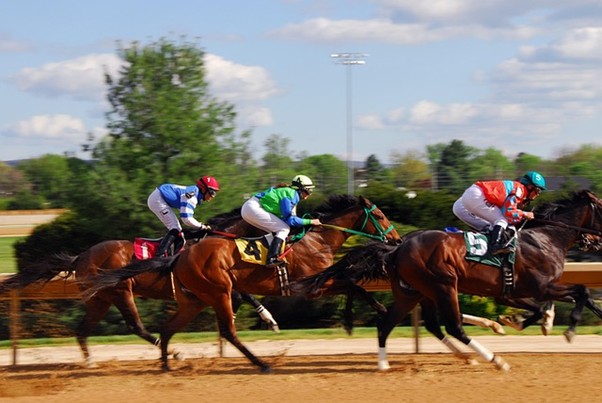
One of the most important yet often overlooked global influences lies in surface variation. European racing is predominantly run on turf, where rhythm, balance, and sustained finishing effort are key. In contrast, the Kentucky Derby is contested on dirt, a surface that places greater emphasis on early positioning, kickback tolerance, and tactical speed.
Horses with international backgrounds must adapt to these differences, and that adaptation can shape their Derby prospects. A horse bred for turf stamina may initially struggle with dirt acceleration but can benefit from conditioning that builds strength over distance. Conversely, American dirt specialists may lack the stamina reserves seen in European runners. As training methods evolve, connections are increasingly preparing horses to handle multiple surfaces, recognising that versatility can be a decisive advantage in a race as demanding as the Derby.
Training philosophies across continents and their impact
Training methods differ significantly between regions, and these differences influence how Derby contenders develop. In the United States, preparation often focuses on speed and early maturity, with horses progressing through structured prep races designed to sharpen race readiness. In Europe, training tends to emphasise gradual development, allowing horses time to build endurance and mental composure.
Where the traditional Bill Turner or Jack Berry trained precocious two year olds might win the Brocklesby on the turf season's opening day, they rarely matured into decent three year olds. A majority of the leading Epsom Derby contenders don't run till July at the earliest, and then sparingly at two.
As global influences grow, these approaches are beginning to merge. Trainers with international experience are combining the sharpness of American conditioning with the patience of European methods. This blended approach can produce horses that are both tactically versatile and physically resilient, qualities that matter more and more in a competitive Derby field. Looking at how a horse has been prepared, rather than just where it has raced, can offer a much clearer sense of its potential.
What global trends mean for the Derby
The continued integration of global racing trends suggests the Kentucky Derby will become even more diverse in the years ahead. International ownership, breeding strategies, and training philosophies are likely to have a growing influence, creating fields that reflect multiple racing traditions. This evolution enhances the race’s appeal by bringing different styles and approaches into a single, highly competitive contest.
For racing followers in the UK, Ireland, and Europe, this shift creates a strong connection to the Derby. The qualities that define success in European racing are becoming increasingly relevant in the U.S., making the race easier to analyse from a broader perspective. As globalisation continues to shape the sport, the Derby is emerging as a meeting point of international excellence, where leading breeding and training ideas converge on one stage.